We are publishing a reflection by Antonello Menne on the sidelines of the conference held on November 13, 2026, in Nuoro.
Last Friday, at the MAN Museum in Nuoro, the book Walking in Silence: Religious and Secular Pilgrimage Routes in Italy, an important scholarly publication that examines 39 pilgrimage routes across Italy, analyzing and classifying their characteristics, structure, identity, and distinctiveness.
Among the selected routes is the Cammino di Bonaria in Sardinia, which has thus received significant recognition as part of a study dedicated to understanding and promoting Italy’s heritage of walking trails.
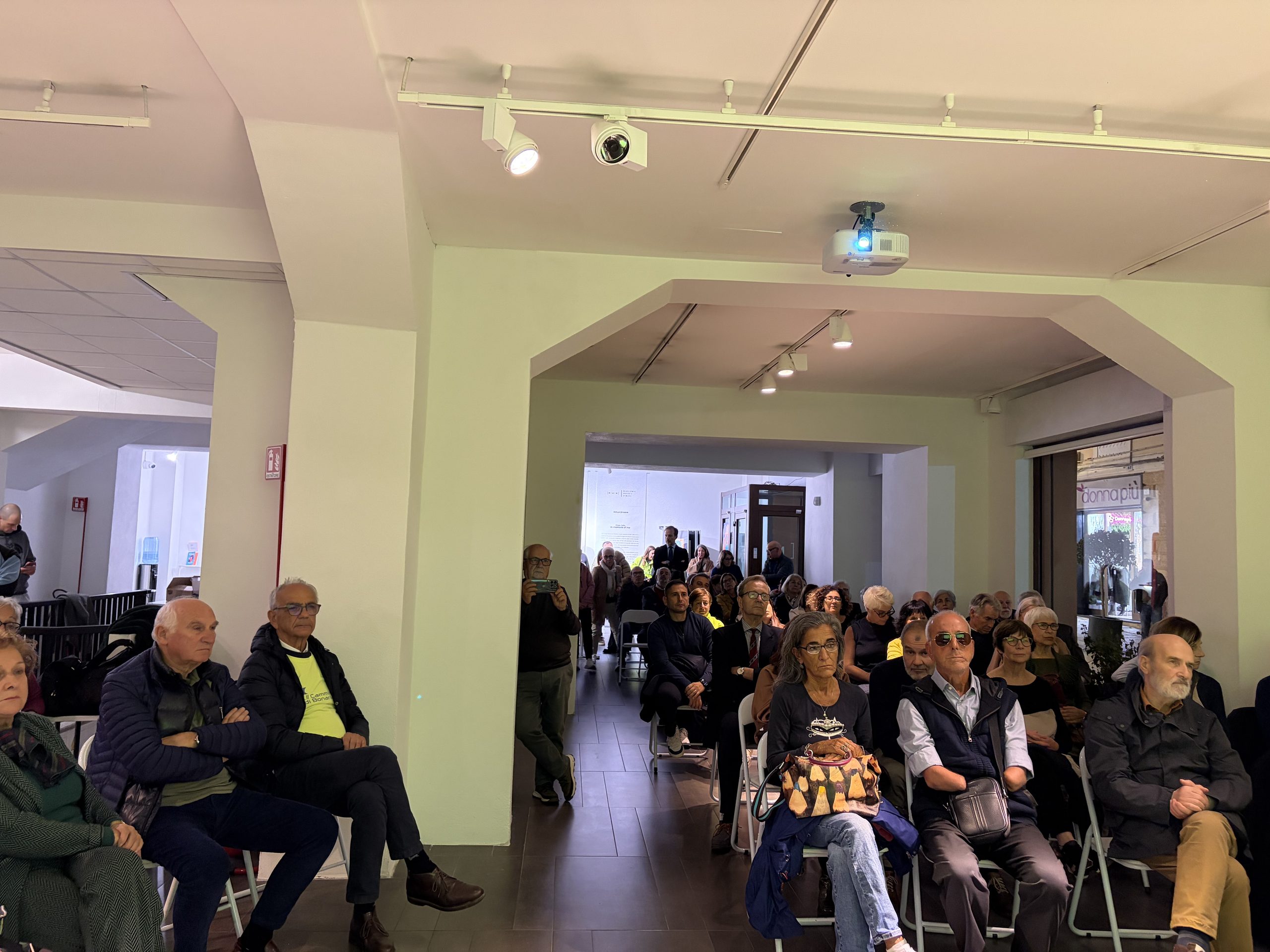
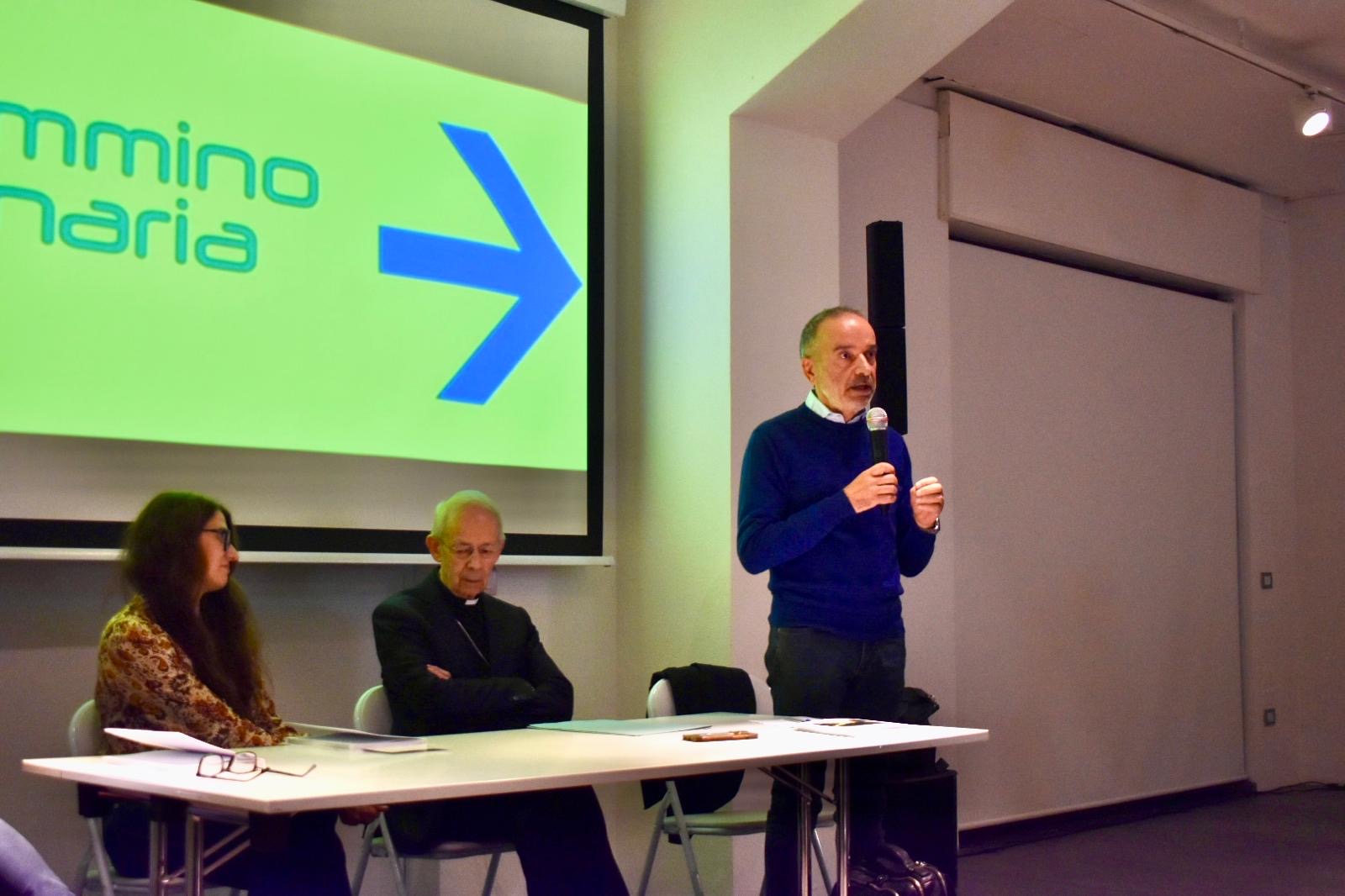
The book, published by EDB and edited by Marianna Napolitano, a researcher at the University of Bologna, was presented during an event attended by the Bishop of Nuoro, Monsignor Antonello Mura; the mayor of Nuoro, Emiliano Fenu; the author of this article; and the editor herself. There were also numerous comments and contributions from the audience during a lively and thought-provoking discussion, moderated by journalist Graziano Canu.
Several topics of particular interest emerged from the debate. Two, in particular, deserve special mention.
The first concerns the recognition of the Bonaria Trail as an integral part of the broader national network of trails. This is an important achievement that confirms its value and strengthens its role within the landscape of Italian trails.
The second, perhaps even more significant, concerns the need to clearly distinguish between the different types of pilgrimage routes. Pilgrimages in the strict sense of the term have their roots in the religious tradition of medieval pilgrimage, which finds its fundamental historical and spiritual references in the great routes to Santiago de Compostela, Rome, and Jerusalem. It is within this tradition that the deepest meaning of pilgrimage lies.
There are, of course, many other forms of walking and travel on foot—driven by cultural, environmental, athletic, or tourist motivations—that deserve equal attention and recognition, but which reflect different identities and purposes. Consequently, while the appropriate term for the former is “pilgrims,” for the latter we must use different terms, such as “hikers,” “travelers,” or “tourists.”
This is not merely a terminological distinction. It has significant cultural, organizational, and institutional implications that affect the very way these itineraries are conceived, promoted, and managed. This is a reality that all stakeholders, at every level, should take into account.
The book presentation in Nuoro was, therefore, not only an opportunity to highlight the Bonaria Pilgrimage Route and its place on the national scene, but also a valuable moment to reflect on the identity of pilgrimage routes and the authentic meaning of pilgrimage, avoiding confusions that risk diminishing their history and unique character.