

The Way of Bonaria
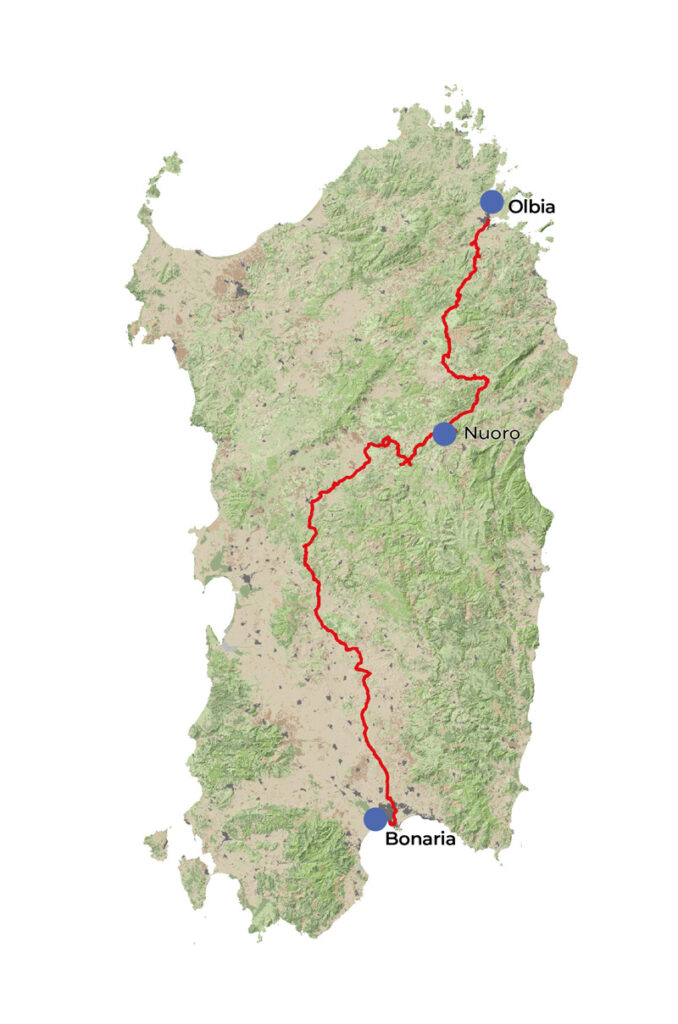
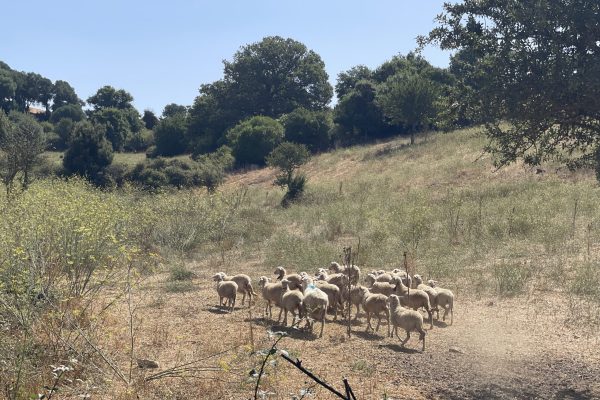
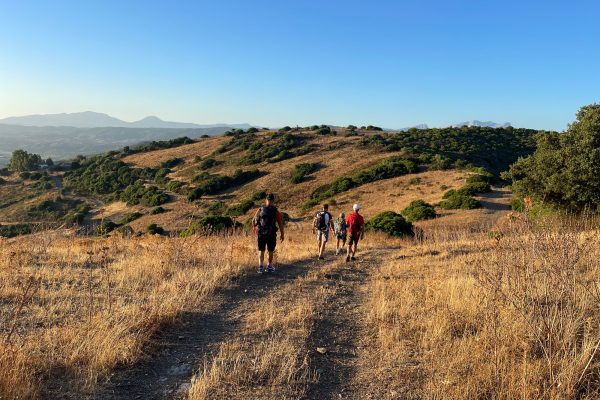
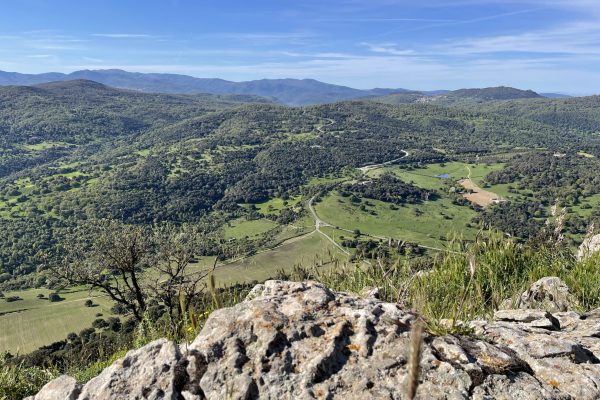
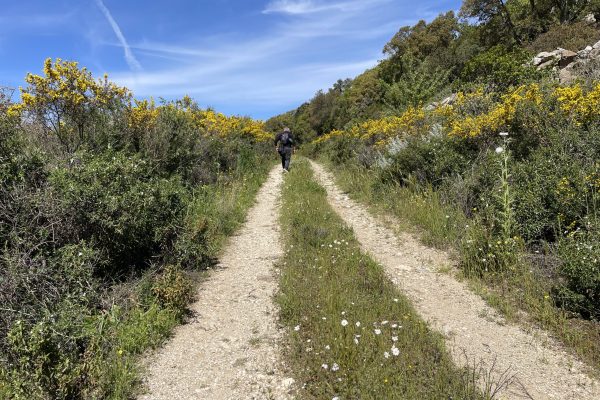
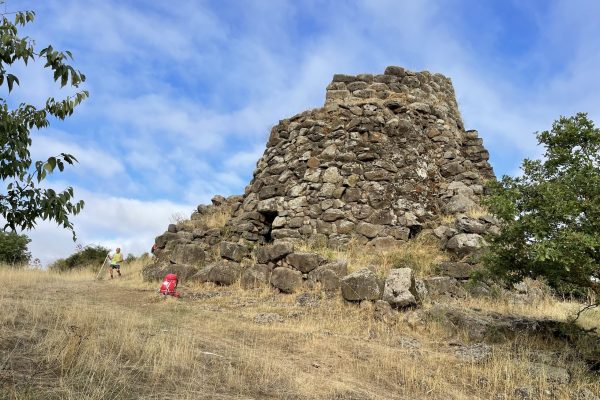
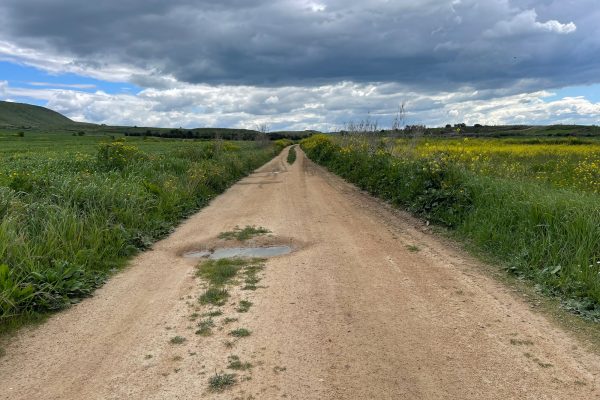
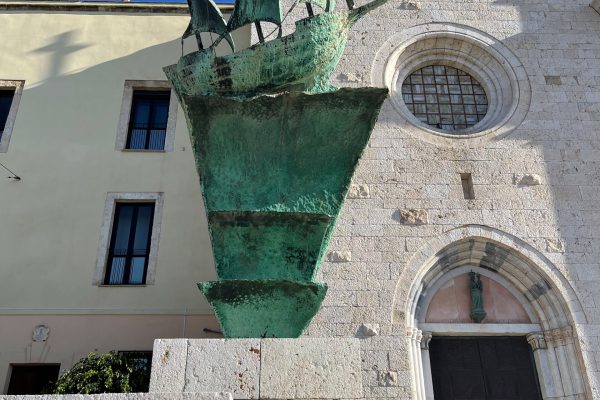
The Bonaria Trail starts from the Basilica of San Simplicio in Olbia and, after 353 km, ends in Cagliari in front of the Basilica of Bonaria. It consists of 14 stages (with the possibility of taking it to 16) through hills, mountains and plains, touching 9 geographical regions and 29 towns in Sardinia, including 4 cities. The route, mostly on trails, country and secondary roads, includes challenging sections-such as the 1052 mt of uphill elevation gain spread over 37.7 km between Fordongianus and Sini (the stage can be broken in two)-offering an authentic and rejuvenating experience. Along the entire route, you will encounter places symbolic of Sardinia’s millennial history.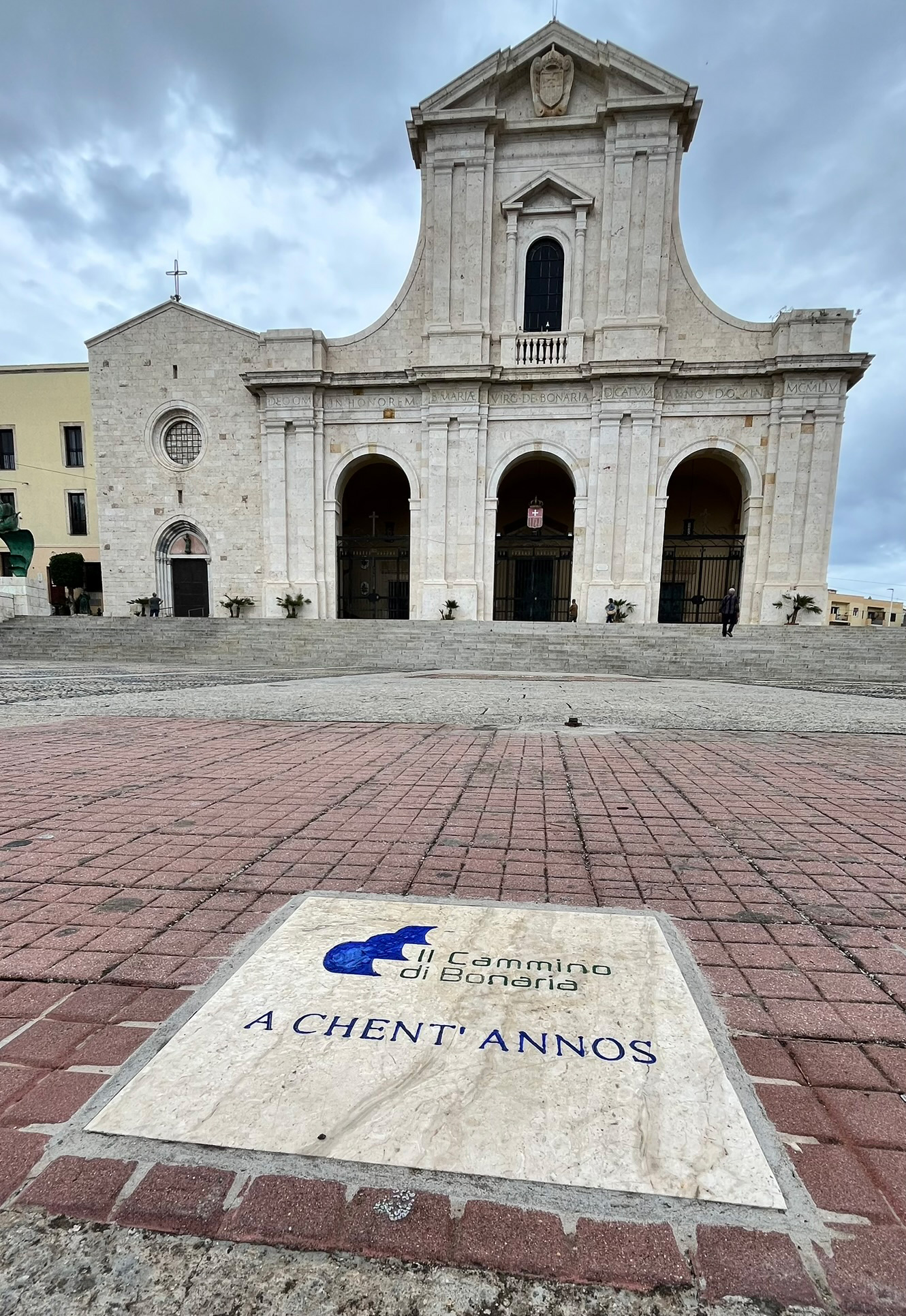
The Stages

- 26.8Km
- 7h 30m (Orani), 8h (Sarule)
- 540 mt (Orani), 604 mt (Sarule)
- 950 mt (Orani), 904mt (Sarule)
- 17.5-20.5 km
- 4h 30m - 7h 30m (if you reach Mount Gonare on foot)
- 440 mt (additional 470 mt for those who reach the shrine on foot from Orani and 385 mt from Sarule)
- 1100 m
- 31 km
- 3h (Ghilarza) - 8h (Fordongianus)
- 277 mt
- 515 mt
- 37.7 km
- 8h 30m (Usellus) - 10h 30m (Sini
- 790 mt (Usellus) - 1052 mt (Sini)
- 560 mt (Usellus) - 825 mt (Sini)

In summary
Where do you sleep?
In B&Bs, Room Rentals, Cumbessias, Farmhouses, Private Houses, Parish Houses and in tents. The B & Bs and Room Rentals reported on this site have been contacted by our Association and then made aware of the reception.
What and where to eat?
In inland districts and towns, foods trace the agro-pastoral tradition: carbohydrates and proteins, essential foods for every walker. Healthy and wholesome foods.
Pharmacies, medical guards, markets and dry cleaners
The Guide to the Bonaria Walk details these services. In each town crossed by the Walk you will find these essential services
Transportation
You can get to Olbia by plane or ferry. Port and airport are well connected to San Simplicio Square (cab or ASPO buses). For Sardinians, ARST train and bus.
The backpack
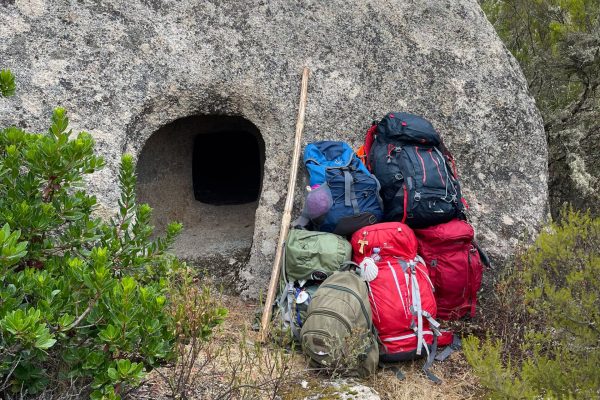
A technical backpack is recommended to aid weight distribution. The backpack should be complete but essential, nothing should be loaded that is not of actual use.
Signs and tracks
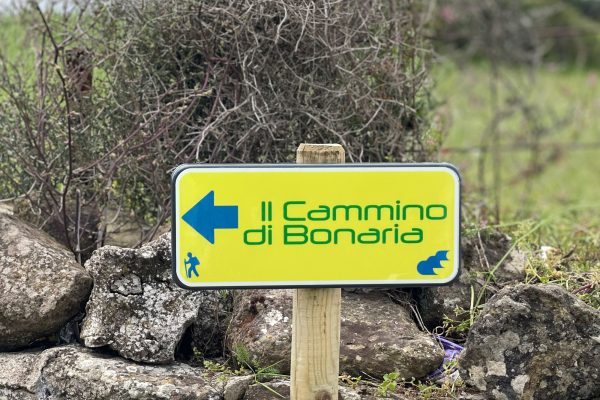
The route is fully marked with a blue arrow and logo on a yellow background. For each stage within this site you will be able to download individual digital tracks.
Symbols
The Bonaria Way is identified by the blue arrows on a yellow background that you will find from San Simplicio Square to the Bonaria steps. Then the Credential and the Bonaria, that is, the pilgrim’s passport. Finally, the white granite stones with the Siste Viator inscription that will mark your way.
News
On September 2, in the splendid Regia Hall of the Palazzo dei Priori in Viterbo, a memorandum of understanding for ongoing collaboration was signed between the Cammino di Bonaria and
An interview with Antonello Menne, president of the Cammino di Bonaria Association, is published today on the Green Planet News website. Click the link to read the interview: The Cammino
On June 12, the book was released in bookstores Walking in Silence: Religious and Secular Pilgrimage Routes in Italy, Published by EDB in Bologna. This volume is the result of
Sardinia is also under a heat alert these days. The Bonaria Trail crosses the island’s interior ridges, and in some areas the heat can be particularly intense. For this reason,
The Association The Way of Bonaria
Following the example of the Way of St. James and the Via Francigena, we want to promote the Bonaria Walk as a place of welcome and dialogue for believers and non-believers alike, in the spirit of St. Francis of Assisi who made himself a pilgrim to the Holy Land to offer peace in place of the sword.
Along with the value of welcome, we want to promote a Path of peace and concord, of openness to pilgrims who would like to travel through Sardinia to hear the stories of its people and admire the beauty of its natural environment.
We want to promote a Way that knows how to foreground the values of respect for people, solidarity between generations and between peoples, offering the power of words and silence.”
The Associazione Il Cammino di Bonaria is not the managing body of the Way but only the promoter. With its launch, the Way was entrusted to the individual municipalities crossed by the route.
The way of Bonaria
The Bonaria Trail starts from the Basilica of San Simplicio in Olbia and, after 353 km, ends in Cagliari in front of the Basilica of Bonaria. It consists of 14 stages (with the possibility of taking it to 16) through hills, mountains and plains, touching 9 geographical regions and 29 towns in Sardinia, including 4 cities. The route, mostly on trails, country and secondary roads, includes challenging sections-such as the 1052 mt of uphill elevation gain spread over 37.7 km between Fordongianus and Sini (the stage can be broken in two)-offering an authentic and rejuvenating experience. Along the entire route, you will encounter places symbolic of Sardinia’s millennial history.
The Stages
- 26.8Km
- 7h 30m (Orani), 8h (Sarule)
- 540 mt (Orani), 604 mt (Sarule)
- 950 mt (Orani), 904mt (Sarule)
- 17.5-20.5 km
- 4h 30m - 7h 30m (if you reach Mount Gonare on foot)
- 440 mt (additional 470 mt for those who reach the shrine on foot from Orani and 385 mt from Sarule)
- 1100 m
- 31 km
- 3h (Ghilarza) - 8h (Fordongianus)
- 277 mt
- 515 mt
- 37.7 km
- 8h 30m (Usellus) - 10h 30m (Sini
- 790 mt (Usellus) - 1052 mt (Sini)
- 560 mt (Usellus) - 825 mt (Sini)
Useful information
Where do you sleep?
In B&Bs, Room Rentals, Cumbessias, Farmhouses, Private Houses, Parish Houses and in tents. The B & Bs and Room Rentals reported on this site have been contacted by our Association and then made aware of the reception.
What and where to eat?
In inland districts and towns, foods trace the agro-pastoral tradition: carbohydrates and proteins, essential foods for every walker. Healthy and wholesome foods.
Pharmacies, medical guards, markets and dry cleaners
The Guide to the Bonaria Walk details these services. In each town crossed by the Walk you will find these essential services
Transportation
You can get to Olbia by plane or ferry. Port and airport are well connected to San Simplicio Square (cab or ASPO buses). For Sardinians, ARST train and bus.
The backpack
A technical backpack is recommended to aid weight distribution. The backpack should be complete but essential, nothing should be loaded that is not of actual use.
Signs and tracks
The route is fully marked with a blue arrow and logo on a yellow background. For each stage within this site you will be able to download individual digital tracks.
Symbols
Symbols
The Way is identified by the blue arrows on a yellow background that you will find from San Simplicio Square to the Bonaria steps. Then the Credential and the Bonaria, that is, the pilgrim’s passport. Finally, the white granite stones with the Siste Viator inscription that will mark your path.
News
On September 2, in the splendid Regia Hall of the Palazzo dei Priori in Viterbo, a memorandum of understanding for ongoing collaboration was signed between the Cammino di Bonaria and
An interview with Antonello Menne, president of the Cammino di Bonaria Association, is published today on the Green Planet News website. Click the link to read the interview: The Cammino
On June 12, the book was released in bookstores Walking in Silence: Religious and Secular Pilgrimage Routes in Italy, Published by EDB in Bologna. This volume is the result of
Sardinia is also under a heat alert these days. The Bonaria Trail crosses the island’s interior ridges, and in some areas the heat can be particularly intense. For this reason,
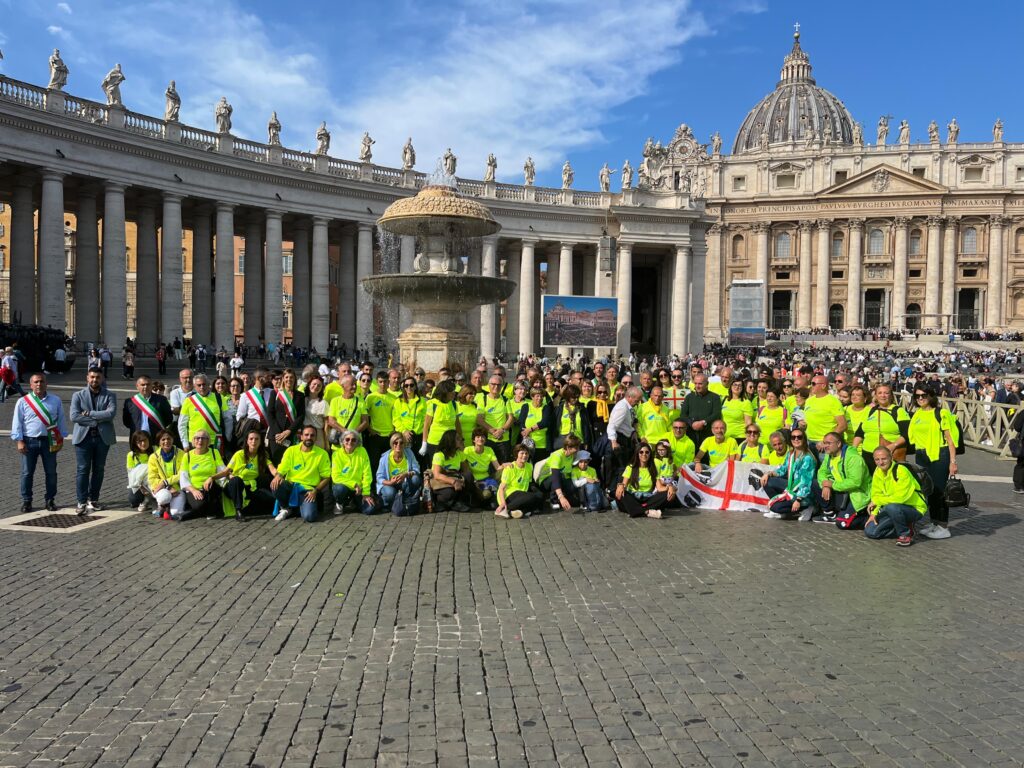
On June 14, 2025, at the Basilica of Our Lady of Bonaria, we officially launched the Bonaria Pilgrimage. We all still cherish the deep emotion of that special day. There
There were many of us in the council chamber of Aritzo (NU) to celebrate the dean of Sardinian pilgrims: Francesco Calledda, known to everyone as Zigo. He is one of
Some pilgrims reported to us that they encountered some guard dogs along the way. The Bonaria Trail, like the Via Francigena and the Camino de Santiago, passes close to farms
Here are some shots of the final stage (Juvenile Prison of Quartucciu – Bonaria) of the autistic boys accompanied by their parents and volunteers from Project Filippide and our association.
Final stop with friends from the Filippide Project in Cagliari. Departure at 7:30 a.m. from Quartucciu Juvenile Prison.
We invite you to read, among the testimonies, Antonello Menne’s reflection on the walk with the inmates of Mamone and Badu ‘e Carros on May 1, 2 and 3, 2026.
For a number of years, the volunteers of the Bonaria Walk have chosen to enter into dialogue with inmates of the three prison facilities crossed by the path (Mamone, Badu
Rendezvous at midnight in Sinnai at Santa Barbara Parish for Mass presided over by Bishop Baturi. Then on pilgrimage to Bonaria. A long procession amid songs and meditations. Here is
Organized by the “Il Segno” Association of Sinnai and the Italian Sports Center (Sardinian section), the torchlight procession started from the Basilica of San Simplicio in Olbia on April 11,
On April 12, 2026, the General Assembly of the members of the Way of Bonaria was held at the Shrine of the Miracle in Lula (NU). It was an intense
We invite you to read the testimony of Pavol Porubcan published on this website. In just five days, even in the rain, running, he walked the 353 km of the
Here are some pictures of the emotional blessing ceremony of the votive niche containing the simulacrum of Our Lady of Bonaria.
Inauguration and blessing of the votive niche containing the simulacrum of Our Lady of Bonaria. Here is the playbill
Siste Viator ceremony in Olbia and in Enas along the stage to Berchiddeddu. Here is the event poster.
Siste Viator ceremonies in Tuili and Sini, important stops on the Camino. Here are the posters
Association
The Association The Way of Bonaria
Following the example of the Way of St. James and the Via Francigena, we want to promote the Bonaria Walk as a place of welcome and dialogue for believers and non-believers alike, in the spirit of St. Francis of Assisi who made himself a pilgrim to the Holy Land to offer peace in place of the sword.
Along with the value of welcome, we want to promote a Path of peace and concord, of openness to pilgrims who would like to travel through Sardinia to hear the stories of its people and admire the beauty of its natural environment.
We want to promote a Way that knows how to foreground the values of respect for people, solidarity between generations and between peoples, offering the power of words and silence.”
The Associazione Il Cammino di Bonaria is not the managing body of the Way but only the promoter. With its launch, the Way was entrusted to the individual municipalities crossed by the route.

